



.jpg)






.jpg)

.jpg)

Covid-secure - Aluminium Windows Make A Difference In Schools
The government’s plans to rebuild and modernise schools, coupled with the need to make all facilities Covid-secure, present numerous challenges. Now...
Read Full Article
The withdrawal of BS476-22, scheduled for 2 September 2029, marks a major change in how fire doors are tested, classified, and specified in the UK.
After that date, all new fire doors and related elements will need to be classified to EN13501-2, based on test evidence generated under EN1634-1, ending the long-running dual testing system.
For contractors, facilities managers and architectural ironmongers, the change is significant. While existing fire doors installed and certified to BS476 will remain compliant for their service life, any new installations after the withdrawal date must meet the new classification system. The shift could potentially affect product availability, specification detail and long-term compliance planning across the fire door sector.
Fire doors play a critical role in passive fire protection by helping to contain fire and smoke, protect escape routes and support firefighter access in the event of fire. But their effective performance depends on proper testing and certification. Under the new testing regime, fire resistance will no longer be expressed solely by familiar FD30, FD60 or FD120 designations. Instead, EN 13501-2 classifications define performance in terms of integrity (E), insulation (I), and smoke control (S).
Transition
The transition also introduces practical challenges for the supply chain. Door manufacturers will need to retest products to EN 1634-1, with some ranges, configurations, or components potentially no longer available. Extended field of application rules may tighten, limiting flexibility around door sizes, glazing and ironmongery, and products previously considered interchangeable may no longer be directly substitutable.
Prepare early
Although BS476-certified doors remain valid until 2029, organisations responsible for fire doors are being advised to prepare early. This might include maintaining accurate records of installation dates and certifications, ensuring inspections are carried out by competent persons, and reviewing refurbishment or replacement programmes scheduled to be carried out beyond the BS 476 withdrawal date. Early engagement with manufacturers and suppliers will be essential to avoid disruption as the deadline approaches.
The move to EN 13501-2 forms part of a wider regulatory alignment intended to improve consistency, reliability and transparency in fire resistance testing. While the change raises short-term questions for the industry, it also places greater emphasis on traceability, evidence and the golden thread of building safety.
Norseal is a leading UK distributor of fire, smoke and acoustic sealing solutions, supplying tested and certified products to support fire door compliance across the built environment. Working with manufacturers, test houses and contractors, Norseal provides technical guidance and practical solutions to help the industry respond to evolving fire safety standards
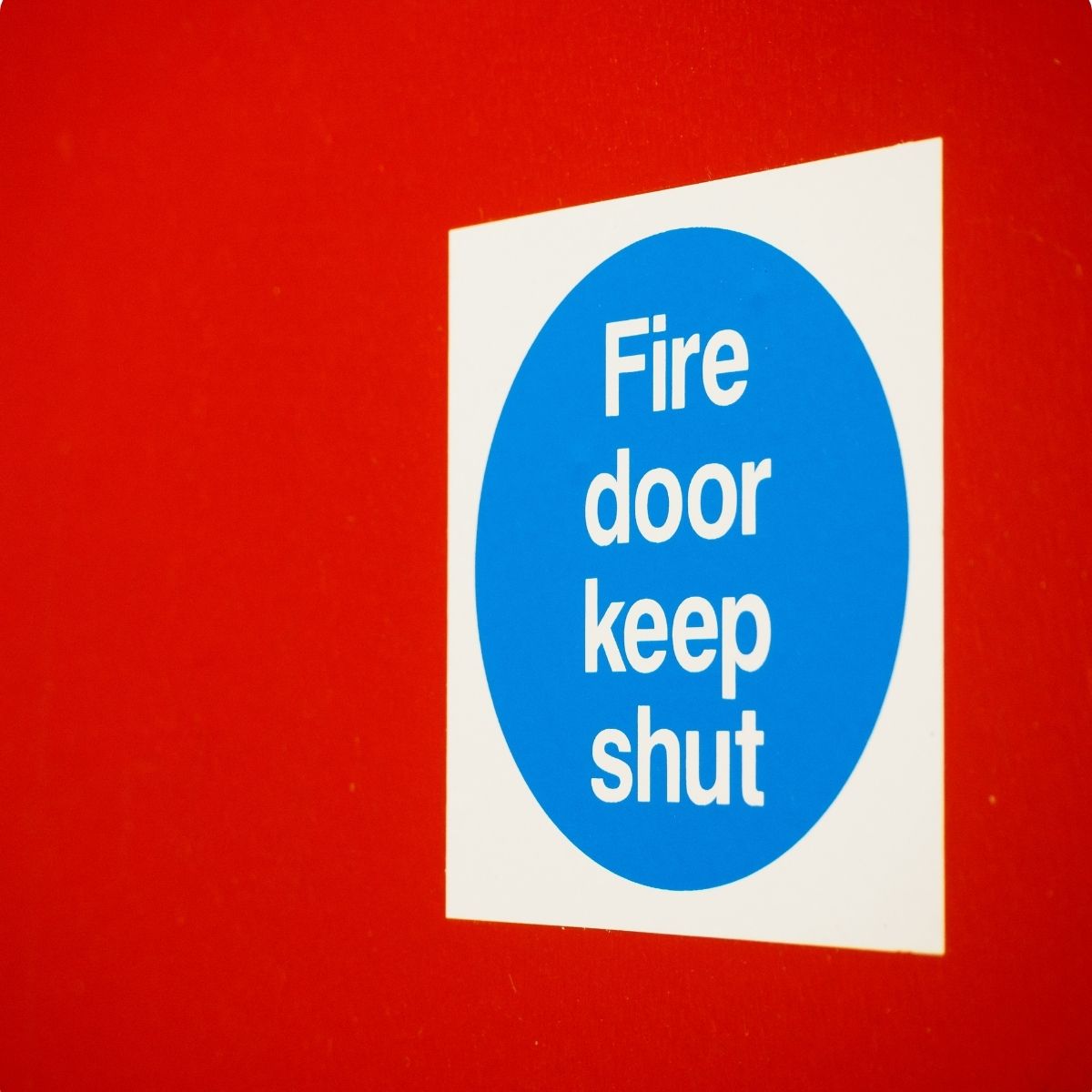
Picture: Although BS476-certified doors remain valid until 2029, organisations responsible for fire doors are being advised to prepare early.
Article written by Cathryn Ellis
01st April 2026